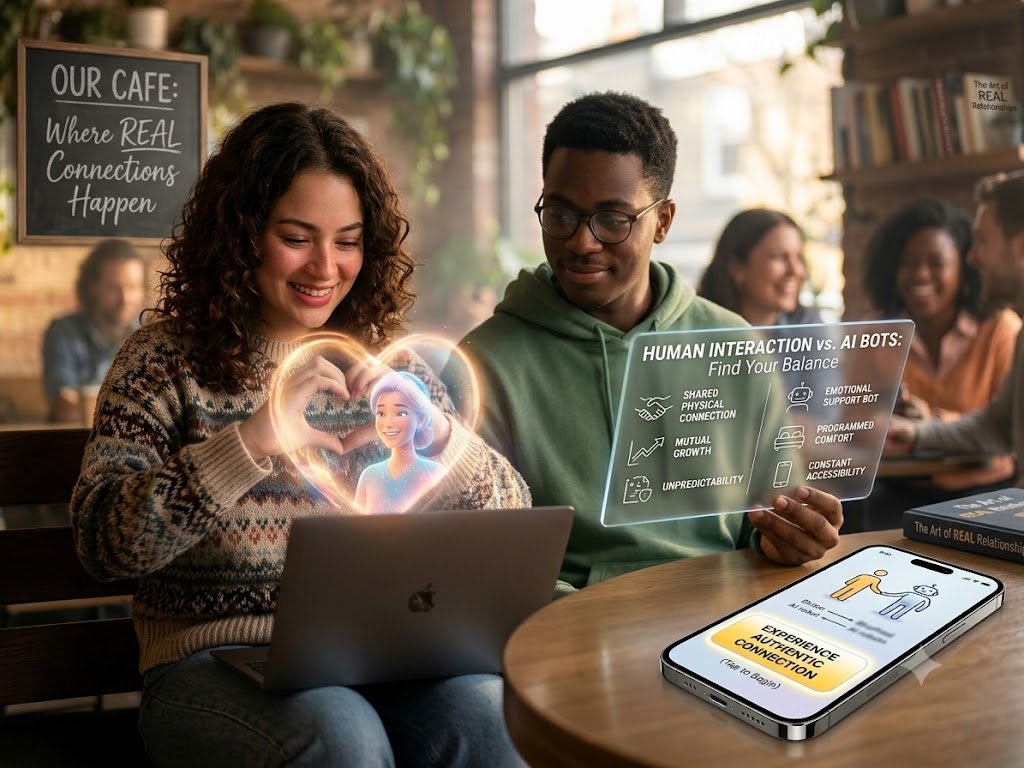
Artificial intelligence is changing the way we work, learn, and communicate. But now, it’s also changing the way some people experience relationships.
According to Bumble CEO Whitney Wolfe Herd, the growing trend of people developing emotional bonds with AI chatbots is something society should think carefully about. In a recent statement, she said that a future where people replace real relationships with AI companions is “not the future we want.”
As AI-powered chatbots become smarter and more personal, many users are turning to them for companionship, emotional support, and even romance. Unlike human relationships, AI never gets tired, rarely disagrees, and is always available to chat. For some, that can feel comforting.
However, Bumble believes technology should help people connect with each other—not replace genuine human interaction.
The dating platform is embracing AI in a different way. Instead of creating virtual partners, Bumble is developing AI tools that help users find better real-life matches based on their personality, values, and relationship goals. The company’s vision is to use technology as a bridge between people rather than an alternative to them.
Experts also warn that while AI can simulate empathy and conversation, it cannot truly understand emotions the way humans do. Real relationships are built on shared experiences, trust, growth, and the ability to navigate challenges together—qualities that machines cannot fully replicate.
Why This Matters
The rise of AI companions highlights an important question: Should technology become our closest emotional partner, or should it simply help us build stronger human connections?
Bumble’s answer is clear. AI can be a useful tool, but love, friendship, and meaningful relationships should remain deeply human.
Final Thoughts
As artificial intelligence continues to evolve, finding the right balance between innovation and real-world connection will become increasingly important. AI may help us meet new people, but the moments that truly matter are still the ones we share with each other.
About the Author