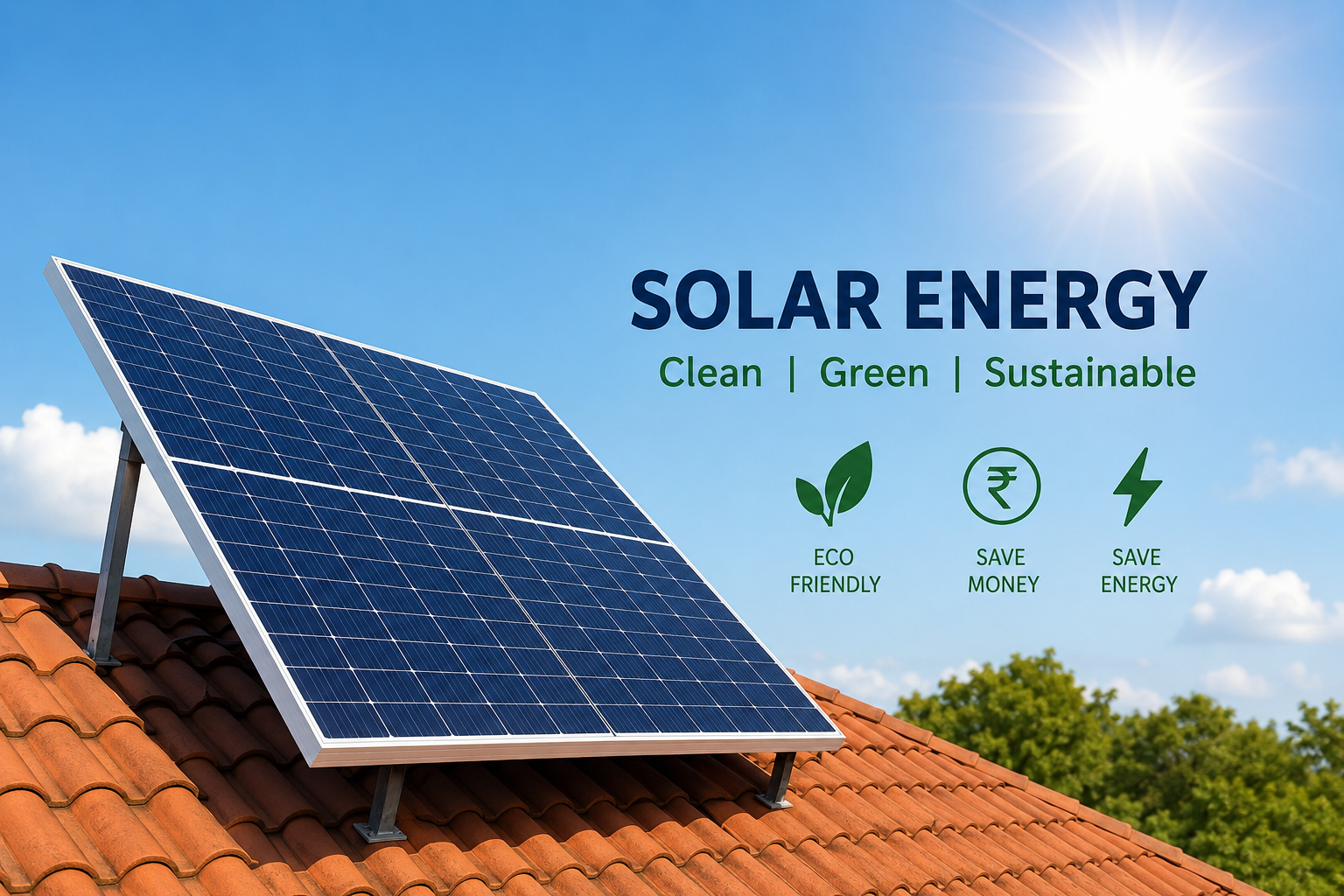
India is rapidly becoming one of the world’s fastest-growing solar energy markets. Rising electricity costs, improved solar technology, and government incentives have encouraged millions of homeowners and businesses to install solar panels.
However, selecting the best solar panel brand in India can be confusing because dozens of manufacturers offer different technologies, efficiencies, warranties, and price ranges.
This comprehensive guide explains everything you need to know before purchasing solar panels in 2026, including:
- Best solar panel brands
- Technology comparison
- Latest TOPCon & Bifacial panels
- Pricing
- Government subsidy
- Installation guide
- Maintenance tips
- Expert recommendations
Whether you’re planning a rooftop solar system for your home or a commercial solar project, this guide will help you make the right investment.
Why Solar Energy is Growing in India

India receives over 300 sunny days each year, making it one of the best countries for solar energy production.
Major reasons behind the rapid adoption include:
- Rising electricity prices
- Government subsidies
- Net metering benefits
- Lower installation costs
- Improved panel efficiency
- Environmental awareness
- Energy independence
Solar systems now offer payback periods between 4 and 7 years, while quality panels can last over 25 years.
Types of Solar Panels
Choosing the right technology is just as important as choosing the right brand.
| Solar Panel Type | Efficiency | Cost | Lifespan | Best For |
|---|---|---|---|---|
| Monocrystalline | 20–24% | High | 30+ Years | Homes |
| Polycrystalline | 16–18% | Low | 25 Years | Budget Projects |
| Bifacial | 21–24% | Higher | 30+ Years | Commercial Plants |
| TOPCon | 22–25% | Premium | 30+ Years | Premium Rooftops |
1. Monocrystalline Solar Panels
Monocrystalline panels are manufactured from a single silicon crystal.
Advantages
- Highest efficiency
- Better low-light performance
- Long lifespan
- Attractive black appearance
- Better temperature tolerance
Disadvantages
- Higher cost
- Premium installation budget
Best suited for:
- Homes
- Apartments
- Small rooftops
- High electricity consumption
2. Polycrystalline Solar Panels
These panels use multiple silicon fragments melted together.
Advantages
- Affordable
- Easy manufacturing
- Reliable performance
Disadvantages
- Lower efficiency
- Larger installation area required
Ideal for:
- Large roofs
- Budget buyers
- Agricultural installations
3. Bifacial Solar Panels
Bifacial panels generate electricity from both front and rear sides.
They capture reflected sunlight from:
- White rooftops
- Concrete
- Sand
- Snow
- Reflective surfaces
Benefits
- Up to 25% more energy
- Better ROI
- Longer durability
Best for:
- Commercial projects
- Solar farms
- Industrial rooftops
4. TOPCon Solar Panels
TOPCon stands for Tunnel Oxide Passivated Contact.
It is among the latest high-efficiency solar technologies available in India.
Benefits include:
- Higher efficiency
- Lower degradation
- Better hot-weather performance
- Improved low-light generation
Many premium manufacturers now focus on TOPCon technology.
Best Solar Panel Brands in India (2026)
1. Tata Power Solar ⭐⭐⭐⭐⭐
One of India’s most trusted solar manufacturers.
Features
- High-quality monocrystalline panels
- Excellent after-sales support
- 25-year performance warranty
- PAN India installation network
Pros
- Trusted brand
- Reliable quality
- Good efficiency
- Strong customer support
Cons
- Premium pricing
Ideal for:
Residential rooftops
2. Waaree Energies ⭐⭐⭐⭐⭐
India’s largest solar panel manufacturer.
Features
- TOPCon technology
- Bifacial panels
- Commercial solutions
- Excellent efficiency
Pros
- Latest technology
- Export-quality manufacturing
- Competitive pricing
Cons
- Premium models cost more
Best for
Residential and commercial installations.
3. Adani Solar ⭐⭐⭐⭐⭐
Known for integrated manufacturing and high-performance modules.
Advantages
- High efficiency
- Excellent durability
- Large production capacity
- Modern technology
Suitable for
Commercial projects
Industrial installations
Large homes
4. Vikram Solar ⭐⭐⭐⭐☆
One of India’s fastest-growing manufacturers.
Strengths
- Good warranty
- High efficiency
- Reliable quality
- Strong commercial presence
5. RenewSys Solar ⭐⭐⭐⭐☆
India’s first integrated PV manufacturer.
Advantages
- Good value
- Strong reliability
- Wide availability
6. Loom Solar ⭐⭐⭐⭐☆
Popular among homeowners.
Advantages
- Compact systems
- High efficiency
- Easy installation
Ideal for:
Homes
Small businesses
7. Goldi Solar ⭐⭐⭐⭐☆
Growing rapidly with modern TOPCon technology.
Pros
- Competitive pricing
- High-quality modules
- Better efficiency
8. Emmvee Solar ⭐⭐⭐⭐☆
Excellent commercial-grade solar panels.
Strong points
- Reliable
- Good warranties
- Industrial projects
9. Saatvik Solar ⭐⭐⭐⭐☆
Affordable Indian manufacturer.
Best for
Budget residential systems
10. Premier Energies ⭐⭐⭐⭐☆
Premium quality manufacturer expanding rapidly across India.
Comparison Table of Top Brands
| Brand | Efficiency | Warranty | Best Technology | Best For |
|---|---|---|---|---|
| Tata Power Solar | 22% | 25 Years | Mono PERC | Homes |
| Waaree | 23.5% | 30 Years | TOPCon | Residential |
| Adani Solar | 23% | 30 Years | TOPCon | Commercial |
| Vikram Solar | 22.5% | 30 Years | Mono | Homes |
| RenewSys | 22% | 25 Years | Mono | Rooftops |
| Loom Solar | 22.5% | 25 Years | Shark Panels | Homes |
| Goldi Solar | 23% | 30 Years | TOPCon | Premium |
| Emmvee | 22% | 30 Years | Mono | Commercial |
| Saatvik | 21.5% | 25 Years | Mono | Budget |
| Premier Energies | 22.5% | 30 Years | TOPCon | Large Systems |
Solar Panel Price in India (2026)
| Capacity | Estimated Price |
|---|---|
| 1 kW | ₹55,000 – ₹80,000 |
| 2 kW | ₹1.1 – ₹1.5 Lakh |
| 3 kW | ₹1.6 – ₹2.2 Lakh |
| 5 kW | ₹2.7 – ₹4 Lakh |
| 10 kW | ₹5 – ₹8 Lakh |
Prices vary based on:
- Brand
- Technology
- Installation
- Inverter
- Battery
- Roof type
Understanding Solar Panel Efficiency
Efficiency indicates how much sunlight a panel converts into electricity.
| Technology | Average Efficiency |
|---|---|
| Polycrystalline | 16–18% |
| Monocrystalline | 20–23% |
| Bifacial | 21–24% |
| TOPCon | 22–25% |
Higher efficiency means:
- More electricity
- Smaller rooftop requirement
- Better long-term savings
Solar Panel Warranty Explained
There are two warranties to consider:
Product Warranty
Covers manufacturing defects.
Usually:
15–30 years
Performance Warranty
Guarantees electricity generation over time.
Typical guarantee:
- 90% after 10 years
- 80–87% after 25–30 years
Government Solar Subsidy in India
The Indian government continues to promote rooftop solar adoption through residential subsidy programs.
Benefits include:
- Reduced installation cost
- Faster return on investment
- Lower electricity bills
Eligibility depends on:
- Residential property
- Approved vendors
- Compliance with current government guidelines
Always verify the latest subsidy details through official government portals before purchasing.
Residential vs Commercial Solar Panels
| Feature | Residential | Commercial |
|---|---|---|
| Capacity | 1–10 kW | 20 kW–MW Scale |
| Roof Size | Small | Large |
| Budget | Moderate | High |
| Panel Type | Mono/TOPCon | Bifacial/TOPCon |
| ROI | High | Very High |
How to Choose the Right Solar Panel
Consider these factors:
1. Roof Space
Smaller roofs require higher-efficiency panels.
2. Budget
Budget buyers may prefer polycrystalline.
Premium buyers should choose TOPCon.
3. Warranty
Look for at least:
- 25-year performance warranty
- 15–30-year product warranty
4. Efficiency
Higher efficiency provides greater long-term savings.
5. Brand Reputation
Choose manufacturers with:
- Proven track record
- Good customer service
- PAN India support
- Certified products
6. Climate
India’s high temperatures make temperature coefficient an important specification. Panels that lose less efficiency in hot weather generally produce more electricity over the year.
7. Certifications
Ensure the panels comply with relevant Indian and international quality standards and are approved for use under applicable government programs.
Installation Tips
Proper installation improves system performance and lifespan.
Best Practices
- Install panels facing south in most parts of India.
- Optimize the tilt angle for your location.
- Avoid shading from trees, buildings, and water tanks.
- Use corrosion-resistant mounting structures.
- Select certified installers.
- Size the inverter correctly.
- Use quality DC and AC protection equipment.
Solar Panel Maintenance Guide
Solar panels require relatively little maintenance.
Maintenance Checklist
- Clean panels every 2–4 weeks in dusty areas.
- Remove leaves, bird droppings, and debris.
- Inspect wiring and mounting structures annually.
- Monitor electricity generation through the inverter or monitoring app.
- Schedule a professional inspection every few years.
Well-maintained systems can operate efficiently for decades.
Common Mistakes to Avoid
- Choosing panels based only on the lowest price.
- Ignoring warranty terms and service support.
- Using inexperienced installers.
- Installing a system that is too small or too large for your energy needs.
- Failing to account for future electricity consumption.
- Overlooking shading and roof condition.
- Neglecting routine maintenance.
Pros and Cons of Solar Panels
Pros
- Significant reduction in electricity bills.
- Clean and renewable energy source.
- Low maintenance requirements.
- Long operational lifespan.
- Increased property value.
- Protection against rising power tariffs.
- Lower carbon footprint.
Cons
- High initial investment.
- Performance depends on sunlight availability.
- Roof suitability is important.
- Batteries increase system cost if backup power is required.
- Output can decline slightly over time.
Frequently Asked Questions (FAQs)
Which is the best solar panel brand in India in 2026?
Tata Power Solar, Waaree Energies, Adani Solar, Vikram Solar, and Goldi Solar are among the leading choices, depending on your budget and performance requirements.
Which solar panel technology is the most efficient?
TOPCon panels currently offer some of the highest efficiencies available for mainstream residential and commercial installations.
Are monocrystalline panels better than polycrystalline panels?
Yes. Monocrystalline panels generally provide higher efficiency, require less roof space, and perform better in low-light conditions, though they cost more.
How long do solar panels last?
Most quality solar panels last 25–30 years or longer, with gradual reductions in output over time.
How much roof space is required for a 5 kW solar system?
A typical 5 kW rooftop system requires approximately 250–350 square feet, depending on panel efficiency and installation layout.
Is rooftop solar worth it in India?
For many homeowners and businesses, rooftop solar offers substantial long-term savings, especially when combined with net metering and available government incentives.
How often should solar panels be cleaned?
Cleaning frequency depends on dust, pollution, and weather conditions. In many parts of India, cleaning every few weeks helps maintain optimal performance.
Final Recommendation
If you want the best balance of reliability, performance, and nationwide support, Tata Power Solar remains a top choice for residential users. For those seeking the latest high-efficiency technology, Waaree Energies, Adani Solar, and Goldi Solar offer excellent TOPCon and bifacial options. Buyers with tighter budgets can consider Saatvik Solar or RenewSys Solar, while commercial and industrial projects may benefit from manufacturers such as Vikram Solar and Emmvee Solar.
Before making a purchase, compare efficiency, warranty, certifications, installation quality, and long-term service—not just the upfront price. A well-designed solar system from a reputable brand can deliver decades of clean energy and meaningful savings on electricity bills.
About the Author